Experts say core South Korea-US military intelligence exchanges remain largely unaffected despite renewed questions over possible intelligence-sharing restrictions, pointing instead to the Trump administration’s “America First” approach to its allies.
Recent concerns have been fueled by contrasting assessments from senior South Korean officials, with some warning that US restrictions could be affecting bilateral intelligence cooperation. Others have downplayed the friction and stressed that the broader alliance remains intact.
Lee Jae-mook, a professor of political science and diplomacy at Hankuk University of Foreign Studies, cautioned against viewing the dispute as evidence of a broader breakdown in the decades-old alliance.
Instead, he noted that the Trump administration has also faced difficulties with other traditional US partners.
“I don’t think South Korea is uniquely experiencing greater difficulties in its relationship with the United States,” he said, pointing to tensions between Washington and other allies, including Canada and Japan.
Lee said the relationship should also be viewed in the context of US President Donald Trump’s “America First” approach, which has placed greater emphasis on direct US interests, including demands for increased investment from allies.
Still, prolonged friction could affect the depth of intelligence cooperation, he said. Basic and objective information is likely to flow, while access to more sensitive intelligence could depend more heavily on the level of trust between the two sides.
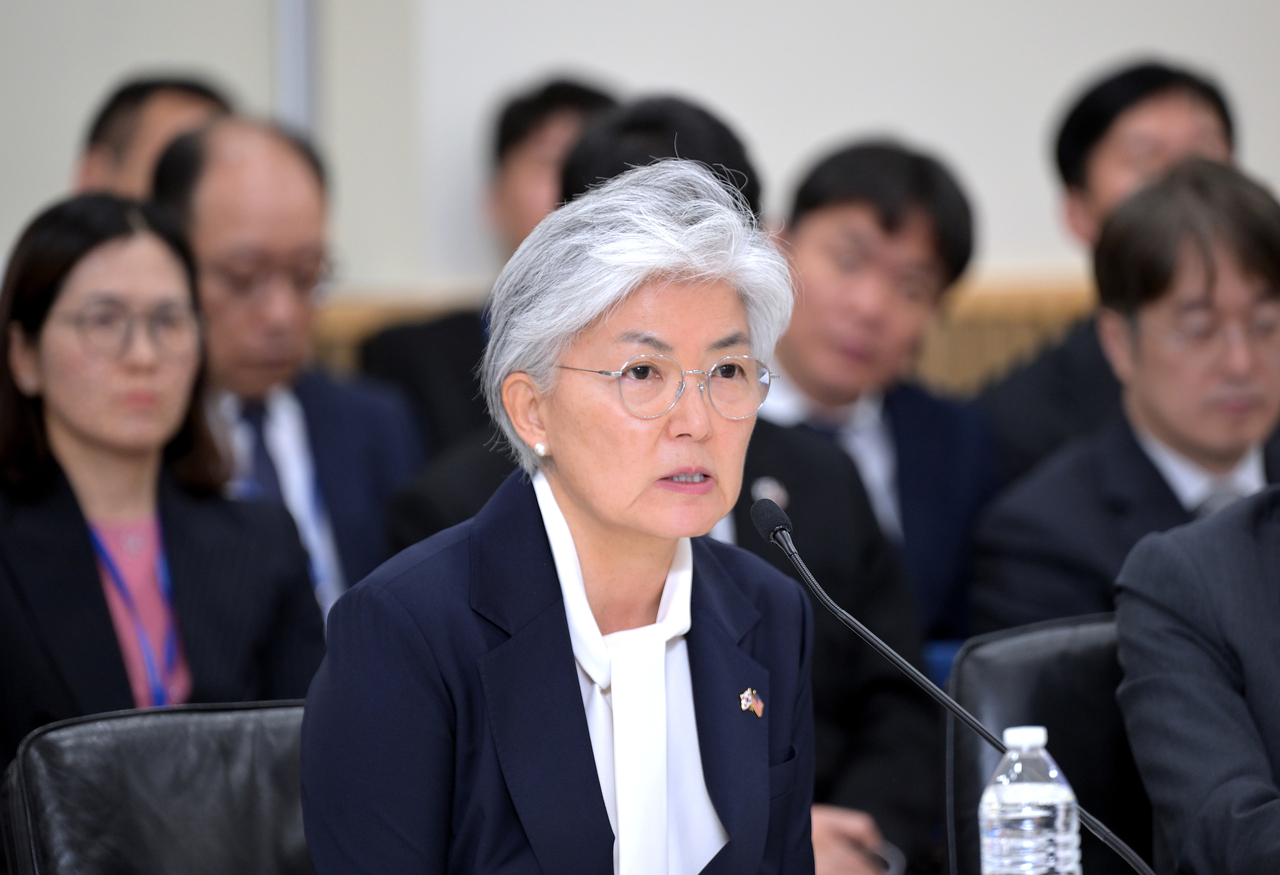
The debate intensified Monday when South Korea's ambassador to the United States Kang Kyung-wha told South Korean lawmakers conducting a National Assembly audit in Washington that US Secretary of State Marco Rubio had raised concerns about intelligence cooperation during a Sept. 18 meeting with Foreign Minister Cho Hyun.
Kang said Seoul had not yet fully addressed Washington’s concerns. She also acknowledged her limited access to senior White House and National Security Council officials, saying high-level consultations were not taking place as frequently as she would like.
The difficulties Kang described in engaging Washington are also reflected in the embassy’s increased spending on diplomatic networking. According to Foreign Ministry data, the embassy spent over $10,500 in the first half of this year, nearly three times the $3,440 spent in all of 2022, on gifts and liquor.
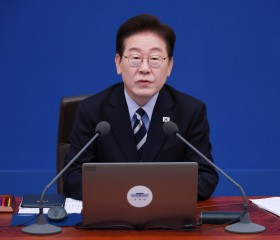
President Lee Jae Myung, meanwhile, said Tuesday that the South Korea-US alliance remained important but that differences between countries were inevitable. He said Seoul should pursue diplomacy based on its national interests without adopting what he described as a “subservient” posture.
Other senior officials have offered differing assessments.
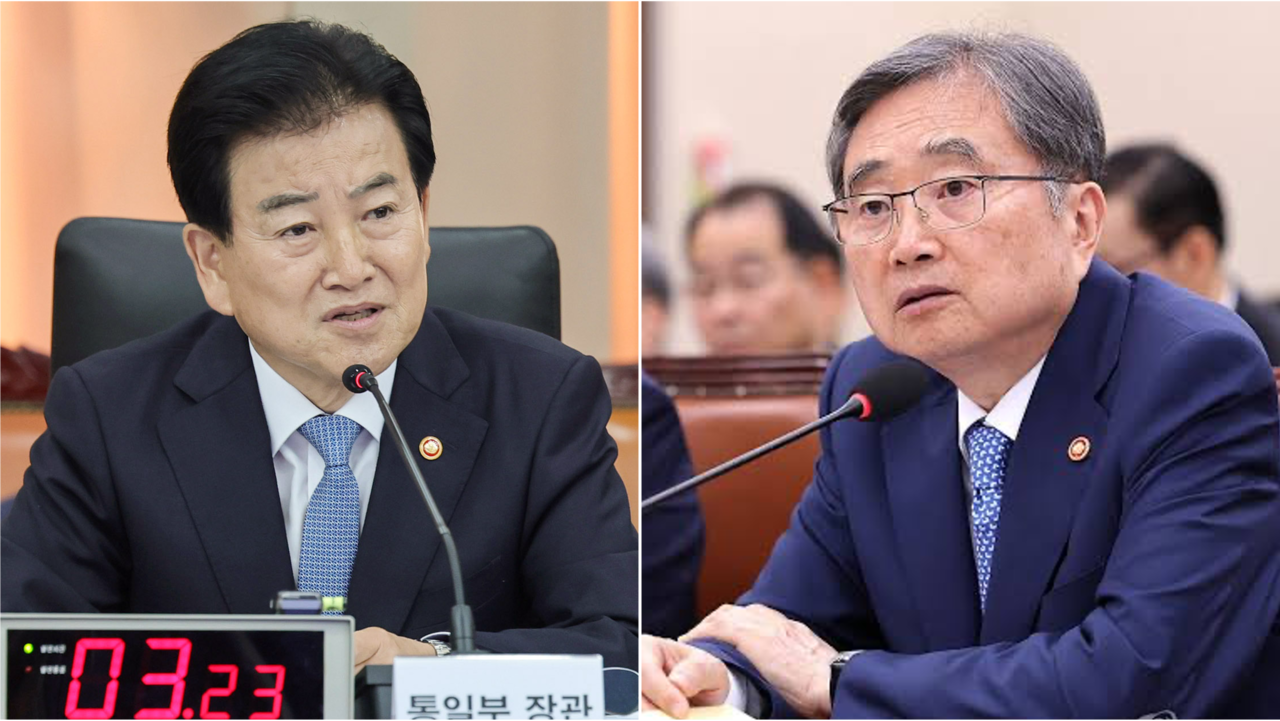
Unification Minister Chung Dong-young has maintained that US concerns stemmed from a misunderstanding over his March 6 disclosure that North Korea was operating a uranium enrichment facility in Kusong, arguing that the information had already been publicly available.
Washington subsequently began restricting some satellite-derived intelligence related to North Korean nuclear facilities, while continuing to share information on missile launches and other immediate military activities.
Foreign Minister Cho Hyun has taken a more measured stance, rejecting claims of a strained alliance while acknowledging that the two countries cannot agree on every issue and saying differences should be managed through high-level consultations.
A recent controversy over Democratic Party of Korea lawmaker Jung Chung-rae’s US visa has also added to perceptions of friction.
Jung had planned to join a parliamentary audit of South Korean diplomatic missions in the Americas but switched to the European delegation after his visa remained under review and was not issued before his scheduled departure. No formal rejection has been announced.
Kim Young-jun, a professor at Korea National Defense University, said the latest controversy largely reflected issues that have persisted since Chung’s remarks rather than a newly emerging breakdown in cooperation.
“Overall communication itself has not been blocked, although there are some areas where information is partially restricted,” Professor Kim said.
Kim said Kang’s difficulties in securing frequent access to White House officials should also be viewed partly in the context of the Trump administration’s distinctive decision-making structure, rather than automatically as evidence of deterioration in bilateral ties.
Military officials, meanwhile, drew a distinction between restrictions on some intelligence products and information sharing needed for immediate operations.
A military officer familiar with missile defense operations said raw data collected through assets monitoring North Korean nuclear and missile activities continue to be shared with South Korean personnel.
“The software is also installed on the South Korean side, so the data can be shared and accessed directly by South Korean personnel from their computers,” the officer said on condition of anonymity.
The officer said, however, that access to some secondary analysis and processed intelligence products remains restricted.
Defense Ministry officials and South Korean personnel serving at the South Korea-US Combined Forces Command similarly said intelligence needed for combined operations and military readiness continues to be shared, with no significant disruption to monitoring immediate North Korean military threats.
Seoul's Joint Chiefs of Staff has also repeatedly made a similar assessment. Following North Korea’s latest missile launches Monday, the JCS again said that “Seoul and Washington were closely sharing information” and jointly analyzing the launches.
Professor Lee said Seoul should nevertheless continue efforts to address Washington’s concerns, given the importance of intelligence cooperation with the United States.
“South Korea has every reason to work to maintain a close relationship with the United States,” he said, while adding that rebuilding trust could prove difficult in the current political environment.
flylikekite@heraldcorp.com